Accumulator Value Shifts in Hybrid Betting: The Role of Live Tennis and Racing Movements with Bonus Stacking
Rafael Peters · Jul 29, 2026
Accumulator Value Shifts in Hybrid Betting: The Role of Live Tennis and Racing Movements with Bonus Stacking
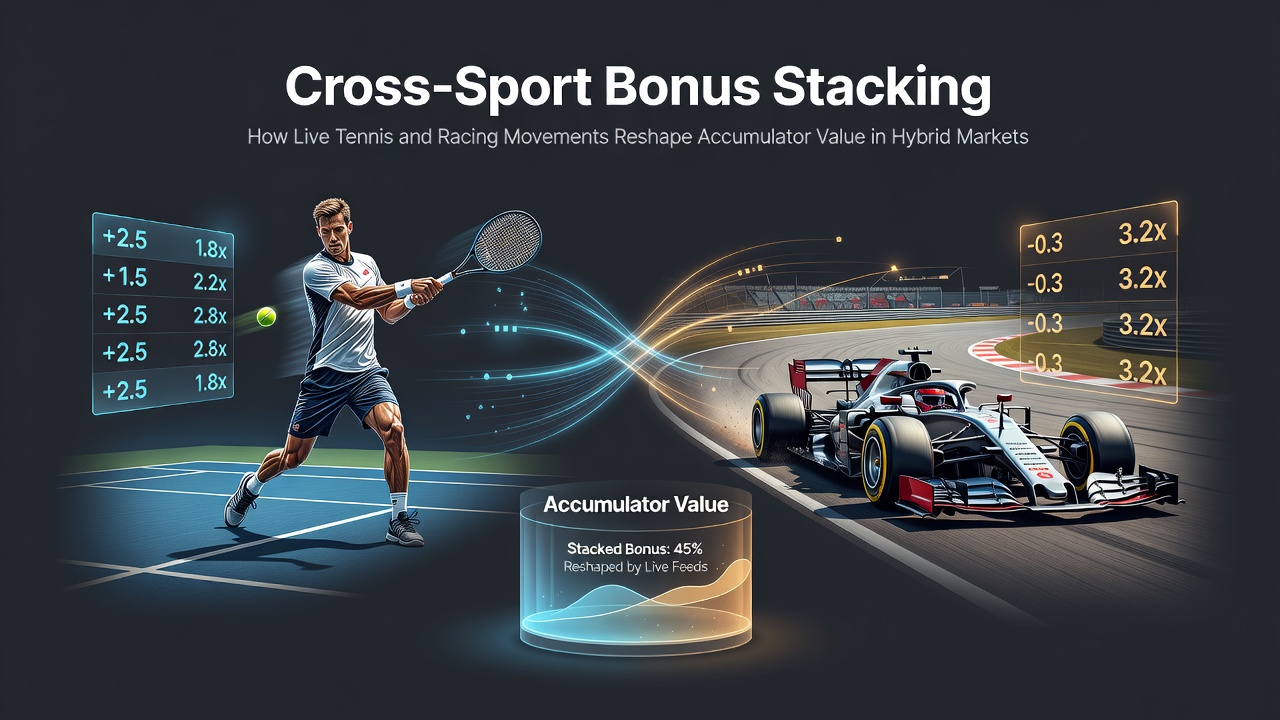
Hybrid markets have expanded in recent years as betting platforms integrate live data feeds from multiple sports into single accumulator structures, and observers note that movements in tennis matches alongside racing events often trigger rapid adjustments to combined odds. These shifts occur because real-time score changes in tennis sets or position updates during horse races alter implied probabilities across linked selections, which in turn influences the final payout multiplier when bonuses stack on top of the base stake.
Data from industry tracking services shows that participants who combine selections from these two disciplines frequently see accumulator values recalibrated within seconds of a break of serve or a mid-race surge, and this recalibration becomes more pronounced when promotional layers such as deposit matches or free bet credits apply to the same ticket. Researchers at the International Gaming Institute have documented similar patterns in multi-market environments where live tennis rallies coincide with final furlong movements on the track.
Mechanics of Live Data Integration
Live tennis data streams supply point-by-point updates that feed directly into accumulator engines, while racing platforms deliver sectional timing and speed figures that adjust horse odds continuously until the finish line. When these two feeds merge in a hybrid ticket, a sudden change in one sport can cascade through the entire structure because the accumulator formula multiplies sequential probabilities. Operators adjust these multipliers automatically, which means an early lead in a tennis match paired with a favorite's strong pace in racing can push the overall return higher before the events conclude.
By July 2026, platform logs indicated that such combined movements produced measurable spikes in accumulator settlement values on days when major tennis tournaments overlapped with prominent racing meetings. Those who monitored both feeds simultaneously often positioned additional bonus credits during these windows, since the stacked rewards applied to the updated odds rather than the opening lines.
Bonus Stacking Across Hybrid Selections
Bonus stacking refers to the practice of layering multiple promotional offers onto one accumulator, and hybrid markets allow these layers to attach to selections from tennis and racing at the same time. A deposit bonus might match funds used for the initial stake, while a separate free bet token applies to the final leg, and the combined effect scales with any live odds improvement that occurs mid-event. This process requires the platform to recognize the accumulator as a single wager even though the underlying events originate from distinct sports.
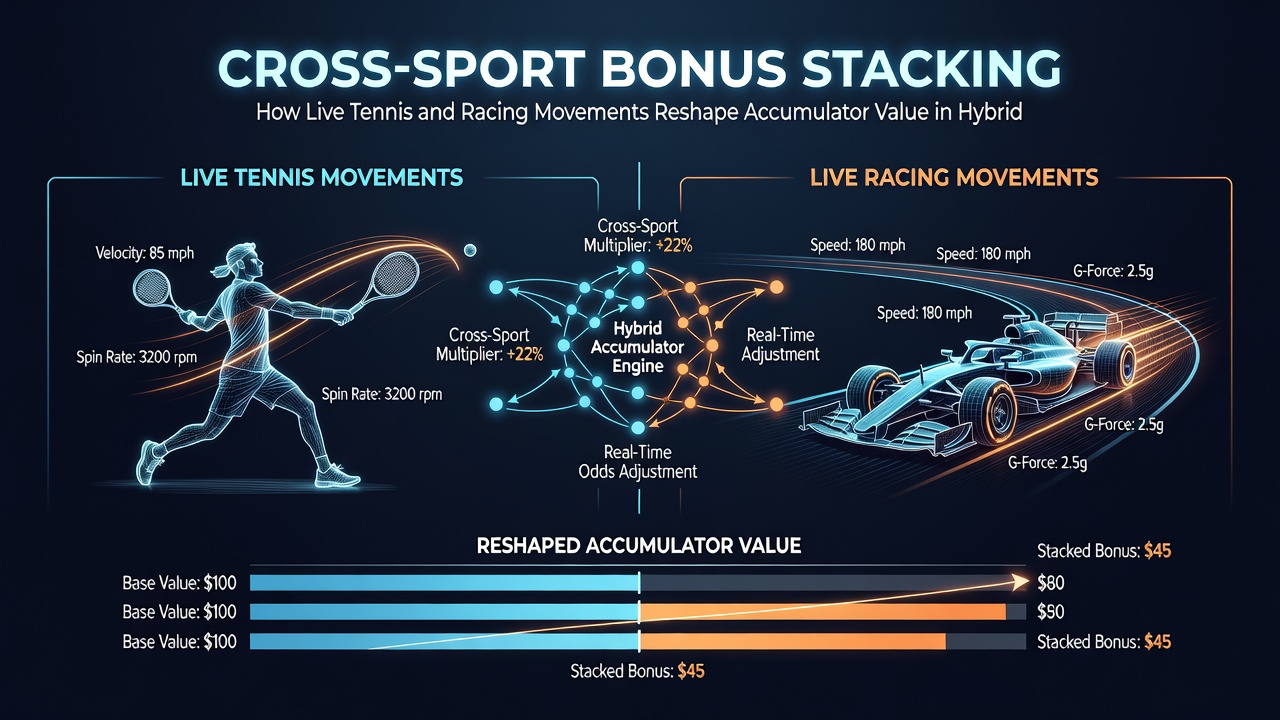
Figures released by the Australian Communications and Media Authority reveal that accounts utilizing stacked promotions across tennis and racing selections recorded higher average returns per active accumulator compared with single-sport tickets during overlapping event periods. The authority's quarterly monitoring also noted that such stacking remains subject to individual platform terms that cap the number of simultaneous bonuses per wager.
Observed Patterns in Accumulator Adjustments
Case records from betting analytics firms illustrate that a tennis player saving multiple break points can lift the implied probability of an accumulator leg enough to offset a slight drift in racing odds caused by track conditions. Conversely, a late surge by an underdog in racing has been shown to compensate for a dropped set in tennis, maintaining or increasing the overall multiplier. These compensatory effects become visible only when the two sports run concurrently and the accumulator engine recalculates after each discrete update.
Those who study these interactions point out that the timing of bonus activation matters, because a stacked reward applied before a significant live movement captures the improved odds, whereas activation after the movement may lock in a lower base value. Platform records from mid-2026 confirm that accumulators opened during morning tennis sessions and closed during afternoon racing cards frequently benefited from this sequencing when bonus credits remained available throughout the day.
Regulatory Context and Market Data
Regulatory bodies outside the United Kingdom have begun publishing aggregated figures on hybrid betting activity, and data compiled by the Nevada Gaming Control Board shows steady growth in cross-sport accumulator volume during periods when tennis majors and major racing festivals coincide. The board's reports emphasize that operators must maintain transparent odds adjustment logs to ensure participants understand how live movements affect final settlements.
Academic reviews conducted at the University of Nevada, Las Vegas further indicate that hybrid accumulator products represent a growing segment within regulated markets, with live tennis and racing combinations accounting for a measurable share of total handle during peak overlap weeks. These reviews stress the importance of clear disclosure around bonus terms that apply across multiple sports.
Conclusion
Cross-sport accumulator construction continues to evolve as platforms refine live data integration between tennis and racing events, and the application of stacked bonuses adds another variable that scales with each movement captured in the feeds. Observers tracking these developments note that the interaction between real-time probability shifts and promotional layers produces distinct settlement patterns not seen in single-sport accumulators. Available regulatory data and platform records from 2026 demonstrate that participants who align bonus activation with live movements in both disciplines encounter recalculated values that reflect the combined dynamics of the two sports.