Coordinating Bonus Timings with Dynamic Odds Shifts in Tennis Matches and Equine Events
Rafael Peters · Oct 6, 2026

Coordinating Bonus Timings with Dynamic Odds Shifts in Tennis Matches and Equine Events
Operators and bettors alike track how promotional windows open and close in relation to live odds movements across tennis courts and racing tracks, and data from October 2026 shows measurable impacts on multi-bet structures when these elements align. Live fluctuations occur rapidly during a tennis set or a race lap, while promotional offers often run on fixed schedules that may or may not overlap with those peaks, so coordination relies on monitoring both streams simultaneously.
Understanding Live Fluctuations in Tennis and Racing
Tennis matches generate frequent odds revisions after every point, break, or service hold, and racing events produce similar shifts as horses move positions or track conditions change; researchers at the University of Nevada's International Gaming Institute have documented how these micro-movements create windows where accumulator legs gain or lose value within seconds. Bettors who monitor multiple events at once notice that a single late break in a tennis match can ripple through an entire multi-bet, whereas a late surge on the final bend of a race can offset earlier losses in another leg.
Promotional Windows and Their Fixed Structures
Promotional offers typically activate at set start times and expire after a predetermined duration, which means their coverage of live events varies depending on the sport schedule; industry reports indicate that tennis tournaments often stretch across several hours while individual races last only minutes, so a single promo period may cover multiple races but only part of a tennis encounter. Observers note that when a bonus multiplier applies during a period of high volatility, the effective return on an accumulator can increase because the live odds adjustment and the promotional uplift operate together rather than in isolation.
Cross-Sport Alignment Strategies
Multi-bet efficiency improves when operators and users align promotional start times with expected volatility clusters in both tennis and racing calendars, and October 2026 schedules reveal clusters of evening tennis matches overlapping with late-afternoon racing meetings across different time zones. Those who study these overlaps find that a promo running from 18:00 to 22:00 can capture both the conclusion of a tennis tournament and several evening races, allowing one bonus activation to support legs from separate sports without requiring separate claims.
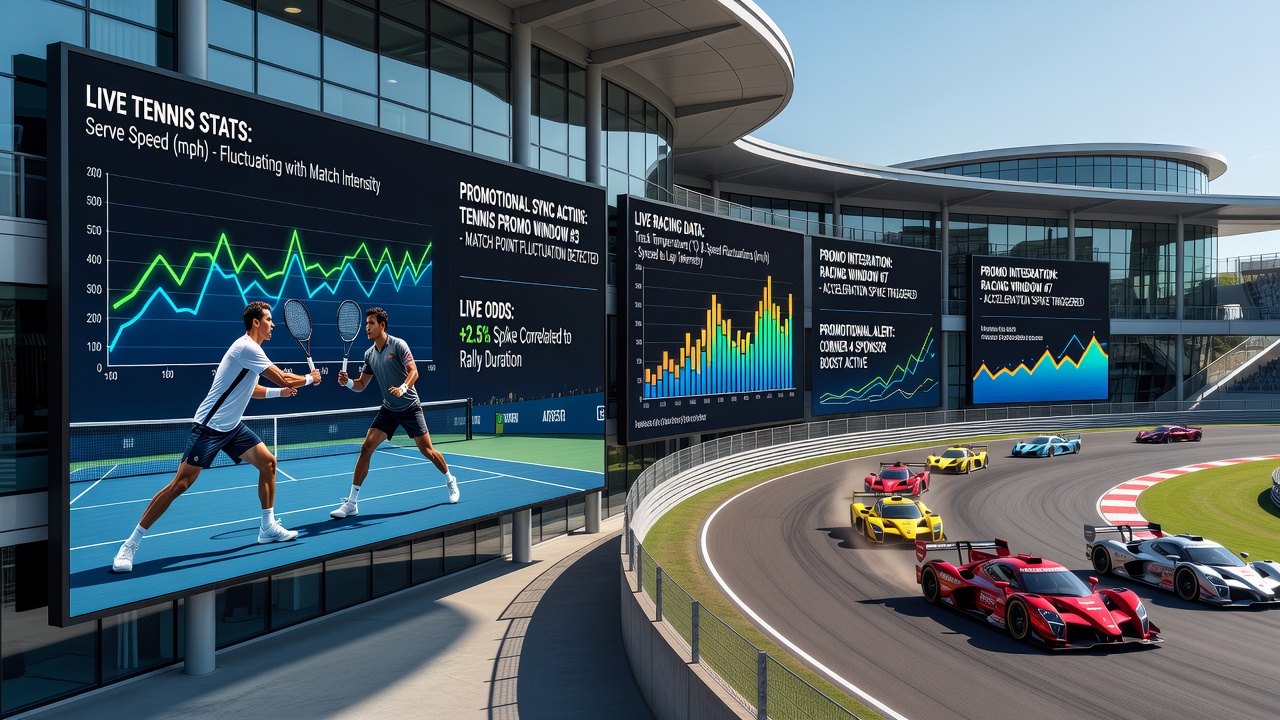
Software tools that aggregate live feeds from both courts and tracks now include filters for promotional expiry times, so users can sort events by the degree of overlap between volatility forecasts and active bonuses; data indicates these filters reduce teh number of missed opportunities where a leg moves favorably just after a promo window closes.
Data Patterns from Recent Periods
Figures compiled across October 2026 show that accumulators combining tennis and racing legs produced higher average returns during weeks when at least two major promotional windows overlapped with high-volatility sessions in both sports. External analyses from the Australian Gambling Research Centre confirm similar patterns in southern hemisphere markets, where evening racing meetings align with afternoon tennis tournaments in other regions, creating extended coverage periods for global bettors.
Operators adjust promotional calendars in response to these patterns, shifting start times by thirty or sixty minutes to capture more of the live fluctuation windows; the result appears in increased multi-bet volumes rather than single-event wagers because the coordinated timing allows one bonus to support several legs simultaneously.
Practical Implementation Steps
Users begin by mapping the daily schedule of tennis tournaments and racing meetings, then overlay the active promotional windows onto that timeline; next they identify periods where live odds are expected to move sharply, such as during tie-breaks or final-race stretches, and check whether those periods fall inside an active bonus. When alignment occurs, the accumulator is constructed to include legs from both sports so that a single promotional uplift can apply across the entire bet structure.
Additional monitoring tools flag when a live fluctuation exceeds a preset threshold during an active promo, prompting users to adjust stake distribution or add a new leg before the window expires; this approach keeps the multi-bet responsive to real-time conditions while remaining within the promotional rules.
Conclusion
Coordinating promotional timings with live odds movements across tennis and racing events produces measurable differences in multi-bet outcomes when the overlaps are tracked consistently. October 2026 data and supporting analyses from multiple research bodies demonstrate that structured alignment of these elements supports more efficient use of both bonus activations and fluctuating prices, provided the monitoring covers both sports concurrently and the promotional rules permit cross-sport accumulators.