Cross-Sport Bet Builders Merge Dynamic Pricing Models with Layered Incentives Across Football, Tennis, and Equine Events
Anna Friedrich · Jul 27, 2026
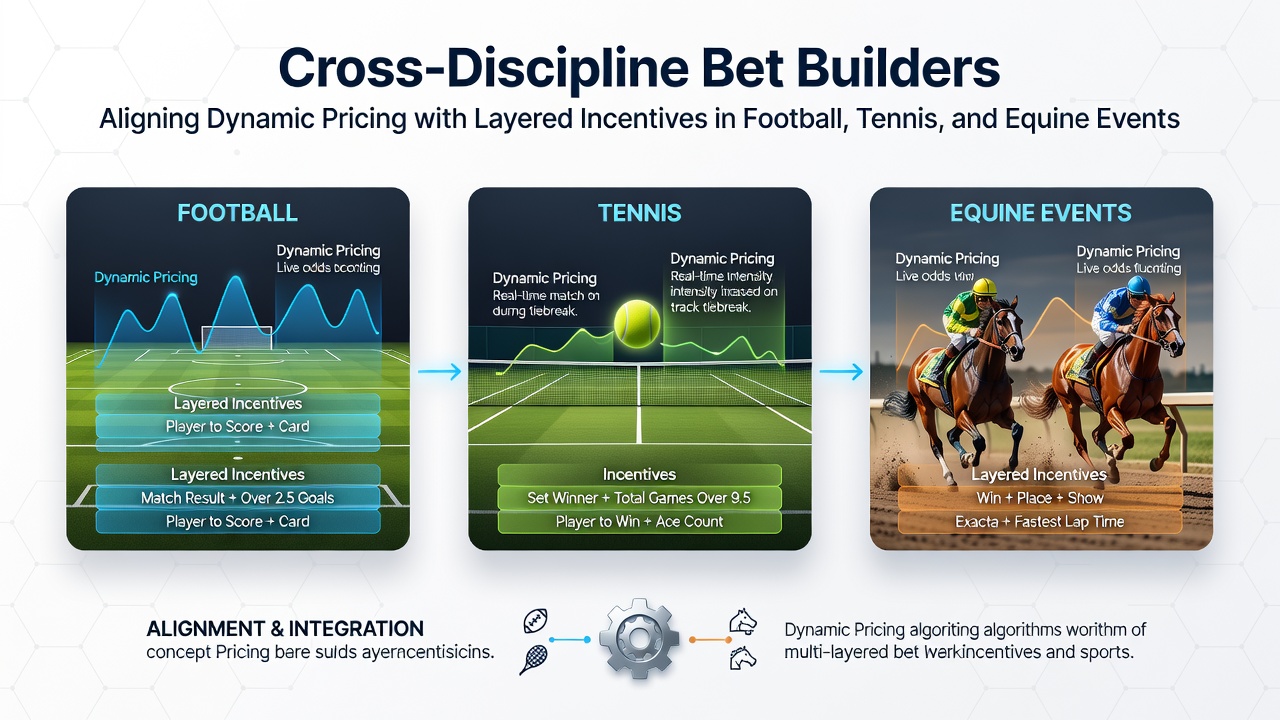
Cross-Sport Bet Builders Merge Dynamic Pricing Models with Layered Incentives Across Football, Tennis, and Equine Events
Operators have expanded bet builder tools that combine selections from football, tennis, and equine events into single wagers, and these platforms adjust prices in real time while stacking promotional layers such as free bet credits and boosted returns. Data from mid-2026 shows increased activity in these products during July when major tournaments and racing festivals overlap, which creates opportunities for aligned pricing across disciplines.
Dynamic Pricing Foundations in Multi-Sport Builders
Dynamic pricing engines recalculate odds based on live market movements, and they incorporate volume from each sport to maintain margin consistency across a combined ticket. Researchers at academic institutions have tracked how these engines respond to simultaneous events, such as a Premier League match and a Grand Slam quarterfinal on the same afternoon, while equine races add further variables through fluctuating field sizes and track conditions.
Football markets often anchor the builder because they generate steady volume, whereas tennis lines shift quickly on serve percentages and break points, and equine odds respond to late jockey changes or weather reports. The systems reconcile these inputs so that a user selecting a goal scorer, a set winner, and a place finish receives a single price that reflects current liquidity rather than static listings.
Layered Incentives and Their Integration
Promotional structures add credits or percentage boosts that apply only when selections span multiple sports, and operators time these offers to coincide with high-attendance periods in July 2026. One common format awards an extra stake credit once the combined ticket meets a minimum number of legs from different disciplines, which encourages users to diversify selections rather than concentrate within one sport.
Studies conducted by the Alcohol and Gaming Commission of Ontario indicate that such layered incentives increase average ticket size when dynamic pricing remains transparent, yet the same reports note that users must review terms because eligibility windows close at different times for football versus equine events. Observers note that these mechanics function most effectively when the pricing engine updates the base odds first and then layers the incentive on top without altering the original calculation.

Case Examples from July 2026 Scheduling Overlaps
During the first week of July 2026, Wimbledon quarterfinals ran alongside several Group 1 equine meetings and European football pre-season friendlies, and bet builder volumes rose across platforms that aligned these calendars. Users constructed tickets containing a tennis set total, a horse-to-place selection, and a football over-total, with the pricing engine recalculating after each live update while preserving the stacked incentive.
Another instance involved a midweek equine card that overlapped with ongoing tennis qualifiers, and operators applied a time-limited boost that required at least one leg from each sport to activate. Those who studied the patterns observed that the dynamic model prevented the incentive from distorting individual sport margins, which kept the combined price competitive against single-discipline accumulators.
Regulatory and Industry Context
Authorities outside the United Kingdom have examined these products through the lens of consumer protection and market integrity, and the Alcohol and Gaming Commission of Ontario has published guidance on disclosure requirements for dynamic pricing and layered offers. Industry groups such as the European Gaming and Betting Association have similarly released position papers that outline best practices for cross-discipline builders without prescribing specific pricing formulas.
Operators report that compliance teams review each new builder configuration to confirm that incentive terms appear before the user confirms the ticket, and they archive pricing snapshots to demonstrate that adjustments followed documented algorithms rather than manual overrides. This documentation supports audits when events from different sports create unexpected liquidity shifts.
Technical Alignment Challenges
Aligning pricing engines across sports requires standardized data feeds that capture variables unique to each discipline, and developers integrate these feeds into a unified calculation layer. Equine markets, for instance, demand rapid incorporation of non-runner declarations, while tennis needs point-by-point probability models, and football relies on expected goal metrics that update after substitutions.
Platforms that maintain separate modules for each sport yet route final prices through a central reconciliation service have recorded fewer discrepancies in combined tickets. Data indicates that reconciliation frequency increases during peak July periods when multiple sports run concurrently, which reduces the window for pricing drift before the ticket locks.
Conclusion
Cross-discipline bet builders continue to evolve through tighter integration of dynamic pricing engines and incentive structures that span football, tennis, and equine events. Regulatory bodies in multiple jurisdictions have supplied frameworks that emphasize transparency, and operators have responded with technical solutions that reconcile live data across disciplines while preserving margin integrity. Continued monitoring of July scheduling overlaps will likely reveal further refinements as platforms adjust to overlapping calendars and user preferences for multi-sport selections.