Dynamic Integration of Tennis Live Updates and Horse Racing Movements in Accumulator Betting Enhanced by Layered Promotional Credits
Anna Friedrich · Aug 1, 2026
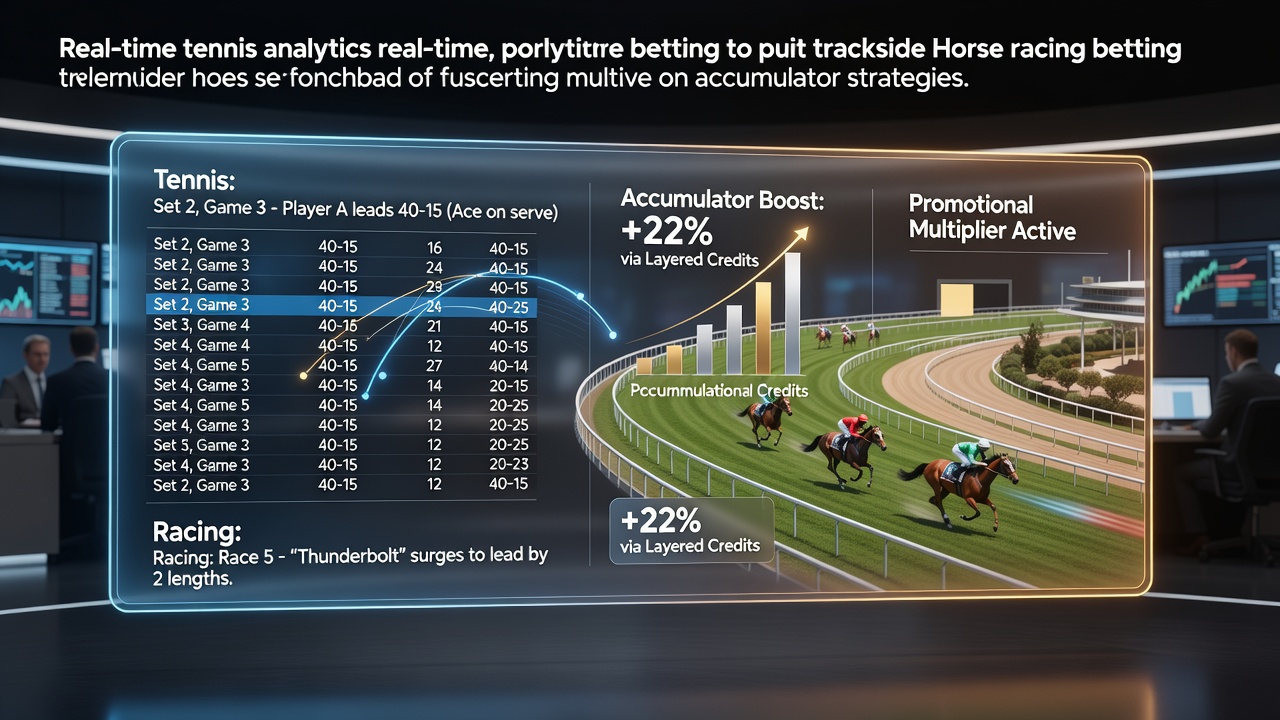
Dynamic Integration of Tennis Live Updates and Horse Racing Movements in Accumulator Betting Enhanced by Layered Promotional Credits
Live tennis scoring systems provide continuous point-by-point data that bettors combine with real-time horse racing trackside metrics such as pace, position changes, and finishing times, and this integration supports accumulator structures where multiple legs across both sports increase potential returns when layered promotional credits apply successive multipliers or cashback tiers. Data from major betting platforms in August 2026 shows elevated activity during overlapping tournaments like the US Open and European summer racing festivals where such cross-sport combinations occur frequently.
Core Mechanics of Cross-Sport Data Streams
Tennis matches generate frequent updates through official scoring feeds that refresh after every point while horse racing events supply trackside sensors and timing systems that capture split times and sectional velocities, and bettors align these streams to identify correlated momentum shifts across disciplines. Observers note that platforms synchronise these feeds into single interfaces allowing simultaneous monitoring of a tennis set score alongside a horse's position at the furlong marker, and this alignment enables adjustments to accumulator selections before legs settle.
Accumulator Construction Across Disciplines
Accumulators typically require three or more legs to activate bonus structures, and combining tennis match-winner or set-betting options with horse racing win or place markets creates sequences where early tennis results influence subsequent racing wagers. Research indicates that promotional credits often stack when users place multi-leg bets during specified windows, with some operators applying a 25 percent boost after the second leg and an additional 15 percent after the fourth when both sports feature in the same ticket.
Promotional Credit Layering Techniques
Operators structure credits in tiers that activate upon cumulative stake thresholds or leg completion milestones, and these layers apply to accumulators that interweave tennis and racing selections. Figures from industry reports reveal average return uplifts of 12 to 18 percent when bettors utilise sequential credit applications rather than single-bonus redemptions, particularly during periods of high fixture overlap in mid-2026.

One documented approach involves allocating initial promotional credit to a tennis leg, then rolling any winnings plus a secondary credit into a horse racing leg, and this sequencing preserves original stake while amplifying exposure. Analysts from the American Gaming Association have tracked similar patterns in regulated markets where real-time data integration tools support such layered strategies.
Timing and Market Alignment Considerations
August 2026 schedules feature concentrated tennis events overlapping with major racing meetings, creating windows where point-by-point tennis updates coincide with trackside horse movements within minutes of each other. Bettors monitor latency differences between feeds to time accumulator placements, and studies from academic sources show that sub-second data synchronisation reduces execution delays that can otherwise diminish promotional credit effectiveness.
Additional sources such as reports published by the Australian Institute of Family Studies highlight how digital interfaces now bundle multi-sport live data for users managing complex accumulator portfolios, though regulatory frameworks continue to evolve around real-time betting features.
Technical Infrastructure Supporting Integration
Modern betting applications employ API connections that pull official tennis scoring data alongside equine timing chips, and these systems present unified dashboards where users adjust accumulator legs based on emerging patterns. Evidence suggests that operators investing in low-latency feeds experience higher engagement rates during peak overlap periods, with August 2026 data indicating increased session durations when both tennis and racing streams appear simultaneously.
Conclusion
Integration of point-by-point tennis updates with trackside horse racing movements provides structured pathways for accumulator construction when combined with layered promotional credits, and ongoing platform developments continue to refine the technical delivery of these combined data streams across global markets.